


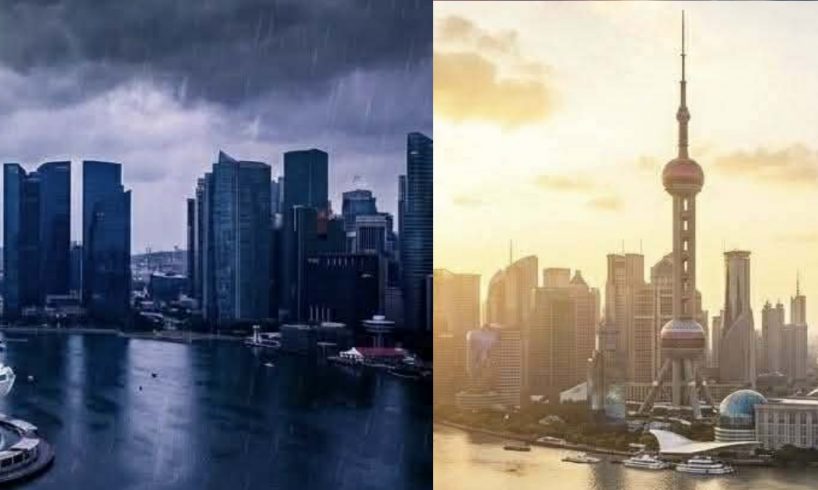
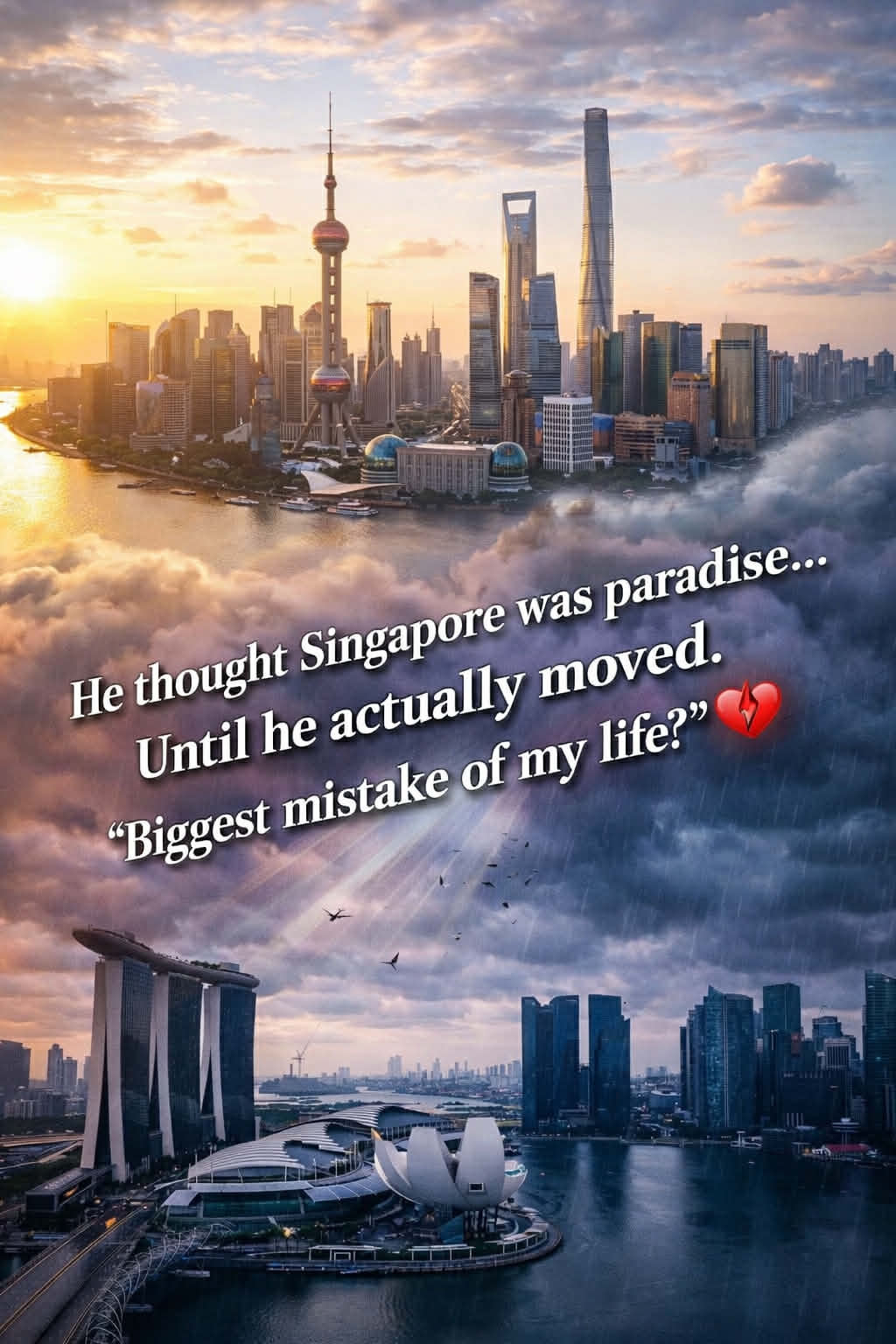
Move to Singapore for a better future…or regret it later? From dream life to daily pressure
Would you still do it?
Last night, after finishing overtime in the CBD, I stepped outside and instinctively opened Grab. When I saw the surge pricing — the kind that feels like daylight robbery — I stood on the sidewalk for three seconds, hesitating. In the end, I quietly turned around and walked toward the MRT.
At that moment, I suddenly missed my life in Shanghai two years ago.
Back then, whenever I went out, I simply booked a private ride. When I got home, there would be a freshly cooked meal waiting — four dishes and a soup. On weekends, I would drive out to nearby cities in Jiangsu and Zhejiang for short road trips to relax. Friends and relatives all thought that moving to Singapore for work meant I had “made it in life.”
But only I know the truth — I came here to endure hardship and tough it out.
Honestly, these two years on this little island have completely cured my sense of pretentiousness. In what outsiders see as a paradise of wealth and prosperity, I experience what feels like a cliff-like drop in social status every single day.
Let’s start with cars.
Back in China, owning a BMW, Mercedes, or Audi is basically the standard marker of being middle class. Here in Singapore? The price of the COE (Certificate of Entitlement) alone could cover the down payment for an apartment in my hometown. When I see an ordinary Japanese car on the road selling for S$150,000 to S$200,000, reality hits hard: in Singapore, owning a private car isn’t a symbol of the middle class — it’s the entry ticket to being genuinely wealthy. For ordinary office workers like us, we might as well accept our role as loyal public transport users.
Then there’s housing.
I rent out my apartment in Shanghai, but the rental income can’t even cover the cost of a decent master bedroom here. I used to live in a spacious apartment; now I’m squeezed into a small condo unit barely a few dozen square meters. Every month when I transfer the rent to my landlord, it honestly hurts. That sense of being cramped and confined — can it really be offset just by wearing a shiny CBD office badge every day?
And don’t even get me started on food.
Forget Michelin restaurants — those are places you only go to when you receive a bonus. Most days, meals come from hawker centres: heavy carbs, oily and salty dishes that simply fill the stomach. If I want to treat myself to a proper Chinese meal on the weekend, the bill — once GST and service charges are added — feels like I’ve just swallowed gold. Even buying a durian like Musang King now requires standing at the stall calculating carefully before deciding.
Is this really the famous “high salary, high standard of living”?
Sometimes when I walk along Orchard Road, I feel strangely disoriented. Back in China, I worked incredibly hard to reach what people called the middle class. I thought coming to Singapore meant leveling up in life. Instead, it feels like I’ve gone right back to square one overnight. On paper, my salary in Singapore dollars looks impressive — but in reality, I’m living the life of what I can only describe as a “well-dressed poor person.”
I know Singapore has many advantages. The economy is stable, and public safety is so good that people leave their bags on hawker centre tables to reserve seats even late at night.
But when this sense of security comes at the cost of a huge downgrade in lifestyle, I can’t help asking myself: is it really worth it?
Especially when I scroll through social media at night and see friends back in China spending weekends camping, going on road trips, and showing off their big homes. In the face of Singapore’s sky-high cost of living, the thin layer of prestige that comes with being an “overseas professional” is starting to feel like it can barely hold together.
So what about the rest of you?
After moving to Singapore on a work visa, do you truly feel your quality of life has improved — or are you, like me, quietly struggling with this strange form of “invisible poverty”?